

The Vital Role of Indoor Air Quality Monitoring in Veterinary and Pet Care Facilities
Download PDF: The Vital Role of Indoor Air Quality Monitoring in Veterinary and Pet Care Facilities
Why Every Facility Needs IAQ Monitoring to Protect Pets
Introduction:
Imagine running a marathon in a smog-filled city— your lungs burn, your breathing becomes labored, and your energy drains. Now picture the animals in your care, confined indoors with poor air quality. Unlike humans, pets can’t escape their environment, making them more vulnerable to indoor air pollutants.
In veterinary and pet care facilities, clean surfaces are essential, but what about the air pets breathe every day? Poor indoor air quality (IAQ) is a silent but significant threat, contributing to respiratory problems, disease transmission, and costly veterinary bills. At Alpha Tech Pet, Inc., we believe that monitoring IAQ is crucial to ensuring that pets live in a safe, clean environment.
The question is: Are you doing enough to protect the pets in your care?
Why Indoor Air Quality Matters for Animals:
Animals, especially those in pet care facilities, are particularly vulnerable to air pollutants like particulate matter (PM2.5: 0.1-2.5 microns, where microbes reside), PM10 (dust, pollen, mold), carbon dioxide (CO₂), and volatile organic compounds (VOCs). These harmful particles are often found indoors in concentrations 2 to 5 times higher than outdoors, contributing to respiratory issues and exacerbating chronic conditions1.
For pets, poor IAQ can be just as dangerous as poor nutrition or lack of veterinary care. They rely on us to provide a healthy environment, and when IAQ is neglected, it can lead to serious health complications2.
Health Risks for Dogs and Cats:
Respiratory issues in pets—such as coughing, sneezing, and labored breathing—are often triggered by allergens like mold, pollen, and fungal spores. Short-nosed dog breeds, such as Bulldogs and Pugs, are particularly vulnerable to these pollutants due to their predisposition to breathing difficulties. For these pets, poor IAQ worsens their symptoms, making it more difficult to breathe and recover from respiratory stress3.
Cats, especially kittens or those with weaker immune systems, are equally at risk. Prolonged exposure to poor air quality can lead to chronic illnesses such as asthma or bronchitis. If symptoms like nasal discharge, eye irritation, or frequent coughing are present, it's time to go beyond surface cleaning and check the air quality in your facility4.
For any facility striving to provide exceptional care, IAQ should be regarded as just as important as veterinary attention.
Real-World Impact of Poor IAQ on Animal Health:
Consider the case of a regional facility where a Canine Infectious Respiratory Disease Complex (CIRDC) outbreak occurred due to poor air quality. In less than a week, 20 animals developed respiratory problems, leading to over $30,000 in veterinary bills and lost revenue. Additionally, the facility's reputation suffered, causing clients to look elsewhere for services.
This example underscores the importance of IAQ monitoring, as the costs of neglecting it go far beyond immediate health risks—they also affect the bottom line and client trust.

The Financial Impact of CIRDC Outbreaks
The costs associated with a CIRDC outbreak can escalate rapidly. Veterinary treatment alone can range from $200 to $800 per pet, depending on the severity of the illness. In addition to this, temporary facility closures can lead to significant lost revenue, often amounting to thousands of dollars. The need to address airborne pathogens also increases operational expenses, further straining budgets. Moreover, outbreaks can damage a facility’s reputation, requiring costly marketing efforts to rebuild client trust.
These financial impacts often total between $10,000 and $50,000 annually, depending on the severity of the outbreak. By investing in IAQ monitoring, facilities can prevent costly disruptions and maintain a trusted reputation in the marketplace6,7.
The Role of Outdoor Pollutants in Indoor Air Quality:
IAQ is not solely determined by internal factors. Outdoor pollutants, including smoke, soot, ozone, and nitrogen oxides, can infiltrate facilities through ventilation systems or open doors and windows. Without proper filtration, these pollutants can enter pet care environments and compound the risks to animals. Facilities must implement comprehensive air treatment solutions that address both indoor and outdoor contaminants6.
How Pathogens Spread Indoors:
Pathogens aren't confined to surfaces; they are constantly being stirred into the air by the movement of animals and staff. In high-traffic areas, this can lead to the rapid spread of bacteria and viruses through the air. Without IAQ monitoring and stringent sanitation protocols, airborne pathogens can travel throughout a facility, increasing the risk of widespread infection5,7,8,11.
Creating an Indoor Air Quality Standard for Pet Care Facilities:
Despite its importance, there is no standardized Air Quality Index (AQI) specifically designed for animal care facilities. Establishing such a standard would provide clear benchmarks for safe environments.
Here's a proposed AQI scale for pet care settings:
- Good (0-50 AQI): Ideal air quality, posing no health risks.
- Moderate (51-100 AQI): Minimal risks for sensitive animals.
- Unhealthy for Sensitive Groups (101-150 AQI): Risks for animals with preexisting respiratory conditions.
- Unhealthy (151-200 AQI): Immediate action required for all animals.
- Very Unhealthy (201-300 AQI): Severe risks; limit exposure.
- Hazardous (301+ AQI): Emergency conditions necessitating evacuation.

This standard would help ensure that pets always breathe safe, clean air in any facility.
Advanced IAQ Monitoring Technologies: Protecting Pets in Real-Time:
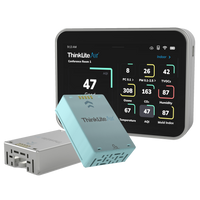
IAQ monitoring technologies like ThinkLite Air FLAIR provide real-time tracking of harmful pollutants, such as PM2.5, VOCs, Ozone, NH₃, and CO₂, giving facility managers instant data on air quality conditions. These systems act like air quality thermostats, helping facilities maintain safe environments before health risks escalate. For example, CIRDC pathogens often fall within the PM2.5 range, and ThinkLite Air FLAIR can provide early warnings, allowing proactive responses to prevent outbreaks10.
IAQ Treatment Solutions: Keeping the Air Clean:
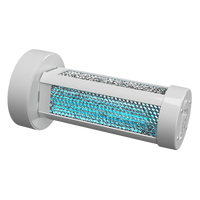
Monitoring IAQ is only the first step. Facilities must also adopt advanced air treatment solutions to mitigate odors and maintain clean, safe air. Systems like CASPR Technology release low levels of hydrogen peroxide, providing effective odor control, neutralizing viruses, bacteria, and mold spores8, while ThinkLite Air Purilux and Icon Air Purifiers use MERV 19 filters to capture harmful particles as small as 0.1 microns (viral microbes), ensuring clean air circulates throughout your facility9.
Health and Financial Benefits of Good IAQ:
The primary benefits of good IAQ include a reduction in disease transmission, leading to healthier animals, fewer veterinary bills, and smoother operations. These advantages make IAQ monitoring a financially sound investment9,10.
Gaining a Competitive Advantage Through IAQ Monitoring:
In today’s pet care industry, offering a higher standard of care can set your facility apart from the competition. Implementing IAQ monitoring systems not only safeguards animal health but also enhances your reputation as a forward-thinking, responsible business. Clients increasingly prioritize the well-being of their pets, and facilities that demonstrate a commitment to providing clean, safe environments will earn their trust and loyalty. By openly sharing IAQ data on a kiosk display and showcasing your proactive efforts to maintain superior air quality, your facility becomes a preferred choice for discerning clients who seek the best care possible for their pets. In this way, IAQ monitoring doesn't just prevent problems—it also serves as a valuable marketing tool, helping to attract new clients and solidify long-term relationships.
Preparing for Future Regulations:
As awareness of the dangers associated with poor air quality grows, stricter regulations for pet care facilities are likely. Implementing IAQ monitoring and treatment systems now will help facilities stay ahead of the curve and avoid costly retrofits in the future4,11.
Implementing IAQ as Part of a Comprehensive Sanitation Program:
At Alpha Tech Pet, Inc., we believe that IAQ monitoring should be integrated into every comprehensive sanitation program. Here's how facilities can start:
- Routine Monitoring: Continuously track IAQ using systems like ThinkLite Air FLAIR.
- Regular Maintenance: Ensure HVAC systems and purifiers are serviced regularly.
- Staff Training: Educate staff on the importance of IAQ and how to respond to changes.
- Client Transparency: Share IAQ data with clients on a kiosk display to build trust and show your commitment to their pets’ health.
How to Begin Implementing IAQ Systems in Your Facility:
1. Evaluate Current IAQ Conditions:
- Conduct an initial air quality assessment to understand pollutant levels (e.g., PM2.5, VOCs, Ozone, NH₃, CO₂).
- Identify problem areas with poor ventilation or high contaminant concentrations.
2. Select an IAQ Monitoring System:
- Choose a real-time monitoring system, like ThinkLite Air FLAIR, based on your facility's size and specific air quality needs.
- Ensure the system tracks key pollutants (e.g., PM2.5, VOCs, NH₃) and offers continuous data feedback.
3. Integrate IAQ Monitoring with Existing Systems:
- Ensure compatibility with your facility’s HVAC system to enable seamless air quality management.
- Plan for system installation in high-traffic or poorly ventilated areas.
4. Implement Air Treatment Solutions:
- Use air purifiers like CASPR Technology that also decrease surface microbial loads or ThinkLite Air Purifiers to actively reduce airborne pathogens and harmful particles.
- Regularly maintain filtration systems (e.g., MERV 19 filters) to optimize performance.

5. Train Staff on IAQ Best Practices:
- Provide training for staff on how to monitor IAQ data and respond to changes.
- Establish protocols for addressing air quality issues quickly and efficiently.
6. Regularly Monitor and Maintain:
- Continuously monitor IAQ levels and ensure systems are calibrated for accuracy.
- Schedule routine maintenance for both HVAC and IAQ monitoring equipment to keep the system functioning optimally.
Conclusion:
Protecting Pet Health Starts with the Air They Breathe:
The future of pet care requires more than clean surfaces—it demands clean air. At Alpha Tech Pet, Inc., we are dedicated to helping facilities create the safest environments possible for the animals in their care. Our motto says it all: "Only the Best for Our Pets."
Don’t wait until it’s too late—start monitoring your facility’s air quality today and ensure that every breath your pets take is a safe one.